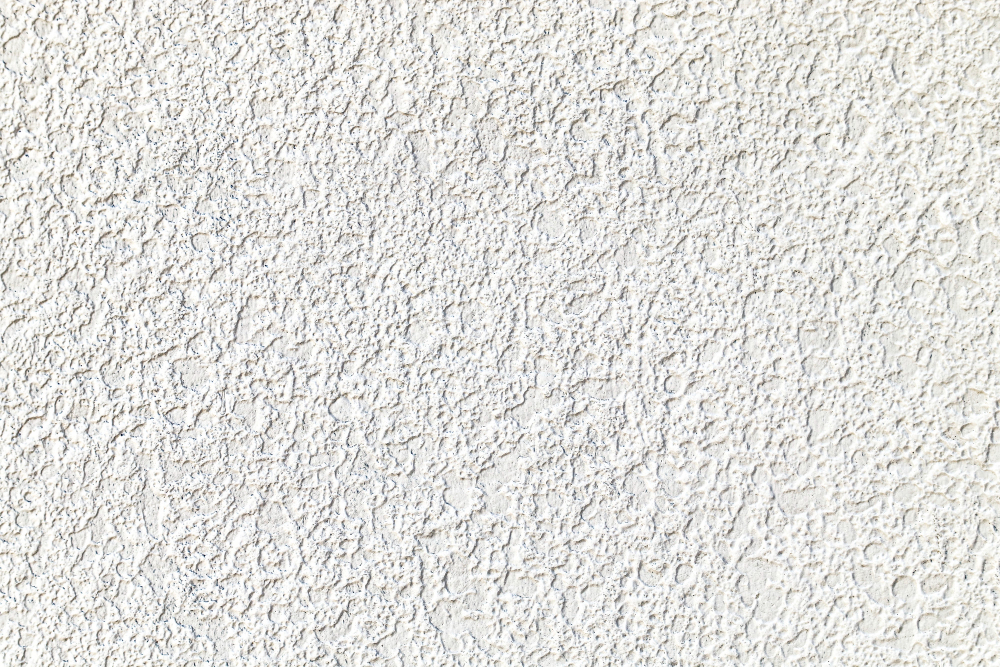
If you’re looking to elevate plain drywall into a textured, character-filled surface — whether to cover imperfections, add depth, or simply give your walls a designer finish — texturing walls with drywall mud is among the most versatile, cost-effective, and DIY-friendly methods. This guide, written from the perspective of a drywall professional, will walk you through everything: when and why to use drywall mud for texture, how to mix and apply it, top techniques, finishing tips, a materials checklist, and answers to frequently asked questions.
Why Choose Drywall Mud for Wall Texture?
Using drywall mud (also known as joint compound) for wall texture offers several major advantages:
- Conceals imperfections: Drywall joints, seams, dents, or minor surface flaws become far less noticeable once texture is applied, giving a consistent look.
- Adds depth, character & visual interest: Rather than a flat, lifeless surface, textured walls create subtle shadow play and tactile surfaces — elevating the overall ambiance of a room.
- Flexible & forgiving: Mud gives you time to shape, smooth, or correct — you’re not locked in after one stroke. Imperfections can be fixed before the mud dries completely.
- Budget-friendly and DIY-friendly: Compared to high-end wall treatments or plaster, drywall mud is inexpensive, widely available, and you don’t need highly specialized skills — just care and technique.
- Design versatility: From subtle, barely-there texture to bold, rustic finishes — there are many techniques (roller, trowel, spray, sponge) depending on the look you want.
This versatility makes drywall mud texture a favorite for both new construction and renovation projects.
Tools & Materials Checklist
Before you begin, gather the following — having everything ready makes the job smoother, faster, and limits mess or mistakes:
- Drywall mud / joint compound (premixed or dry mix)
- Clean water, bucket for mixing
- Mixing tool — a paddle mixer (or a drill + mixing paddle) works best
- Wide drywall knife or trowel (10–12 inch)
- If using spray/hopper method: texture sprayer (hopper gun) + air compressor
- Paint roller with medium-to-thick nap (for roller-on textures)
- Drop cloths or plastic sheeting — to cover floors, furniture, fixtures
- Painter’s tape — to mask edges, trim, switches, outlets
- Sandpaper (medium — 120 grit, or as needed) or sanding sponge
- Primer (latex or oil-based, depending on wall condition)
- Paint and a thick-nap roller (for painting textured walls)
- Optional: sponge, brush, comb, or stomp-brush for custom textures
Having quality tools — especially a decent trowel or roller and proper mixing equipment — significantly affects the final finish.
Step-by-Step Process: Texturing Walls with Drywall Mud
Here’s a professional flow from start to finish. Follow each step carefully for the best results.
Step 1: Prepare & Prime the Walls
- Clean the surface: Remove dust, dirt, cobwebs, loose paint, or plaster. A clean, dry surface ensures better adhesion.
- Repair any defects: Patch cracks, holes, seams, or uneven spots in drywall using joint compound and/or tape, then allow to dry and sand lightly if needed.
- Prime or seal (if needed): If the drywall is bare or previously painted unevenly, apply a primer/sealer — it helps mud bond consistently and prevents problems later.
- Protect surroundings: Use drop cloths or plastic sheeting to cover floors, furniture, windows, switches — texturing can be messy. Use painter’s tape to mask trim and edges.
Step 2: Mix the Drywall Mud
- If using dry mix, follow instructions for water-to-mud ratio. If using premixed, you may still adjust with a small amount of water.
- Mix until consistency resembles thick batter — similar to pancake batter or heavy cream. Not too thin (won’t hold texture) and not too stiff (hard to spread).
- Use a mixing paddle or drill paddle to eliminate lumps and ensure smooth, uniform consistency.
Proper consistency is critical — too thin and the texture will slump; too thick and you’ll struggle to apply evenly.
Step 3: Apply Mud & Create Texture
Depending on the technique and finish you want, there are several widely used methods — from roller and hand-trowel to spray/hopper and custom patterns.
Roller-On Texture (Simple & Budget-Friendly)
- Load a thick-nap roller with the mud (from a tray like paint). For smaller or tight areas, use a smaller roller or brush.
- Roll over the wall evenly, covering manageable sections (about 3 ft × 3 ft or 4 ft × 4 ft). Working in small zones helps maintain consistency.
- For a heavier texture, you can apply a second coat after the first starts to set — this can create more pronounced ridges or a rustic effect.
This method is ideal for DIYers or smaller projects, and doesn’t require specialized tools beyond a roller and trowel/knife.
Hand-Trowel/ Skip/ Knife/Slap-Brush Technique (Artistic/Rustic Finishes)
- Use a drywall knife or trowel to spread mud in sweeping or random overlapping strokes across sections (e.g., 4×4 ft). This creates a handmade, irregular finish favored in rustic or vintage-style interiors.
- For a more textured surface, techniques like “slap-brush,” “comb,” or “skip trowel” — using a brush, sponge, com,b or even a notched tool — can yield creative, custom patterns.
- This method is great when you want the wall to be a design feature itself — but it requires a bit more time, practice, and trust in freeform work.
Spray/Hopper Gun Method (Efficient for Large Areas)
- For large rooms, ceilings, or multiple walls, a texture sprayer (hopper gun) attached to an air compressor can spray a splatter or “spray-coat” of thinned drywall mud.
- Adjust the nozzle and air pressure for the desired texture density. Work one wall at a time to ensure even coverage.
- If aiming for a texture like “knockdown,” allow the mud to set slightly (until peaks form but aren’t fully hardened), then use a wide drywall knife at a shallow angle to gently “knock down” peaks — giving a mottled, soft-stucco effect.
Spray methods maximize speed and are excellent for ceilings or large walls. However, cleanup is messier, and protective covering is essential.
Step 4: Drying, Optional Light Sanding, and Painting
- Once texture is applied, allow at least 24 hours for drying — especially if the mud layer is thick or the ambient humidity is high.
- If there are sharp peaks or rough patches, you may lightly sand with fine/medium grit (e.g., 120 grit) or use a sanding sponge — but avoid over-sanding, which may flatten texture.
- After sanding/dusting, prime the textured wall (especially if raw mud is exposed) — this helps seal and ensures paint adhesion.
- Finally, paint using a thick-nap roller to ensure even coverage over peaks and valleys. Paint application may need more care on textured surfaces than on smooth walls.
Common Texture Styles & When to Use Them
| Texture Style | Look & Feel | Best For/Advantages | Considerations/Drawbacks |
| Knockdown | Mottled, stucco-like—soft peaks flattened for a subtle, slightly rustic effect | Great all-around solution: hides imperfections, works in living rooms/halls, and has a versatile aesthetic | Requires spray or a good trowel and timing; may require practice for a uniform result |
| Orange-Peel/Splatter-Spray | Soft, fine dimples—looks like faint textured paint or plaster | Subtle texture, good for modern interiors; efficient with spray gun | Needs spray equipment; may be too subtle if you want dramatic texture |
| Roller-On/Light Texture | Gentle, semi-rough finish—minimal pronounced ridges | Easiest DIY—minimal tools, good for small rooms, cost-effective | Less dramatic effect; may not hide deep imperfections as well |
| Skip Trowel/Hand Trowel/Slap Brush/Comb/Artistic | Irregular, handcrafted patterns can be rustic, vintage, Mediterranean, or custom style | Excellent for feature walls, accent spaces, bespoke design | Time-consuming; requires practice; less uniform (which may be a pro or con depending on taste) |
Expert Tips for Texturing Walls with Drywall Mud
- Always test first: Before committing to an entire wall, test your chosen mud consistency, technique, and texture style on a scrap piece of drywall or in an inconspicuous corner — this helps you fine-tune thickness, drying time, and pattern before doing the main surface.
- Keep texture random/natural: Avoid repeating the same pattern over and over (e.g., identical strokes), because repetitive patterns tend to look amateurish. Randomness gives a more professional, natural finish.
- Mind the mud consistency: Getting mud that’s too thin will cause sagging or poor hold; too thick — hard to spread and uneven. The “pancake batter/mayo consistency” recommendation is based on what works best in real-world applications.
- Use the right tools for the job: For small rooms / detailed work — trowel, roller, brush. For larger areas/ceilings — hopper gun + spray. The quality of tools affects the final texture significantly.
- Take your time — patience pays off: Rushing through mixing, application, or skipping drying time leads to uneven texture, cracking, or poor paint adhesion. Let the mud set or dry fully as per the method before doing the next steps.
Common Pitfalls & How to Avoid Them
- Over-sanding textured walls: Heavy sanding may flatten ridges and ruin texture. Use light sanding only where necessary.
- Skipping primer on raw mud: This can lead to uneven paint absorption, poor finish, or mud discoloration. Always seal before painting.
- Applying texture on untreated/unprimed painted walls: Adhesion may be poor, causing flaking or a patchy finish. Clean, scuff, or prime first.
- Working in too-large sections at once (especially with the spray or trowel method): This can lead to inconsistent drying and patchiness. Always break the wall into smaller work zones.
- Poor cleanup / inadequate protection: Texture mud overspray or splatter can make a big mess — cover floors, furniture, fixtures thoroughly.
When to Use Wall Texture with Drywall Mud & When to Skip It
Use texture when:
- Your drywall has visible imperfections (seams, joints, dents) that are hard to fully sand out.
- You want a decorative finish — textured walls add character, depth, and design value.
- You’re working on a budget but still want a premium look (rather than expensive plaster or specialty wall treatments).
- You or a DIYer want a manageable project that doesn’t require high-end skills — but the result still looks well-crafted.
- You’re doing a renovation or update and want to refresh walls with a new finish without completely redoing drywall.
Maybe skip texture when:
- You desire ultra-smooth, modern walls (e.g., for contemporary minimal interiors).
- There’s a need for frequent cleaning (e.g,. high-traffic areas, kids’ rooms) — textured walls are harder to clean than smooth ones.
- You lack time or patience — textured walls require careful prep, technique, drying, and often more cleanup.
- You plan to frequently repaint — textured surfaces absorb more paint and may result in uneven coverage over time.
FAQs related to Texturing Walls with Drywall Compound
Can I use regular drywall mud for texturing, or do I need special “texture mud”?
Yes — regular drywall joint compound (mud) is commonly used for texturing. Many professionals mix and use it exactly for “wall texture with drywall mud.” It’s versatile, economically efficient, and works well whether you’re aiming for subtle or pronounced texture.
How long should I wait before painting textured drywall mud walls?
It depends on thickness and ambient conditions (humidity, ventilation). As a general guideline, wait at least 24 hours for standard applications before priming and painting. For very thick or heavily applied mud, allow additional time.
Can I apply texture over old painted drywall?
Yes — but surface preparation is important. Clean and, if needed, lightly sand or scuff the wall to promote adhesion, then prime before applying mud texture. This ensures consistency and reduces the risk of mud not sticking or peeling later.
Which texture style is most beginner-friendly?
Roller-on texture or light mud texture using a roller is perhaps the easiest for DIYers. It requires minimal specialized tools, is forgiving if you make mistakes, and still gives a nice semi-textured finish. Spray/hopper method or intricate trowel/sponging techniques need more skill or equipment.
Conclusion — Why “Wall Texture with Drywall Mud” Is Still a Top Choice
Texturing walls with drywall mud remains one of the most effective, versatile, and accessible ways to enhance the look and feel of interiors. From simple roller-on textures to rich, handcrafted trowel finishes — you can achieve a wide range of aesthetic outcomes without needing expensive materials or highly technical skills.
When done properly — with correct preparation, well-mixed mud, careful application, and patient finishing — a textured drywall wall can instantly elevate a space: hiding imperfections, adding depth and character, and giving the illusion of higher-end plaster or specialty finishes at a fraction of the cost.
For homeowners, DIYers, or small contractors, “texturing walls with drywall mud” remains a go-to method when you want to balance cost, effort, and appearance.