When it comes to interior walls and ceilings, drywall finish levels play a crucial role in determining how smooth and visually perfect your surfaces will look after paint or final decoration. From basic utility spaces to high-end luxury interiors, understanding the finish levels of drywall—especially Level 5 Sheetrock finish—helps you make the right choice for quality, performance, and cost.
What Are Drywall Finish Levels?
Drywall finish levels are standardized stages of drywall preparation that indicate how much joint compound (mud) has been applied and how smooth the surface is before painting. The scale ranges from Level 0 (unfinished) to Level 5 (perfectly smooth, premium finish). Each level represents a higher degree of sanding, filling, and attention to detail.
Understanding these levels ensures that your walls and ceilings look their best under the specific lighting and paint finish you plan to use—whether it’s flat, semi-gloss, or high-gloss.
The 5 Drywall Finish Levels (0–5)—At a Glance
| Level | Description | Best Use Case |
| Level 0 | No finishing work; boards are simply installed. | Temporary areas or when finishing isn’t needed. |
| Level 1 | Tape is embedded in joint compound with no sanding. | Concealed or behind-the-scenes areas. |
| Level 2 | Thin coat of joint compound; minimal sanding. | Unfinished spaces like garages or utility zones. |
| Level 3 | Multiple coats and sanding for moderate smoothness. | Walls destined for heavy texture. |
| Level 4 | Full coats and sanding; smooth surface. | Standard residential paint jobs. |
| Level 5 | Level 4 plus a full skim coat for an ultra-smooth finish. | High-end photos, gloss paint, critical lighting. |
Level 5 Sheetrock Finish—What It Really Means
A Level 5 Sheetrock finish is the highest quality drywall finish available and represents the pinnacle of drywall finishing standards. It builds upon everything in Level 4 and adds a skim coat applied over the entire surface — not just seams and fasteners. This creates an ultra-smooth, uniform surface that minimizes any visual imperfections.
Why Level 5 Is So Special
- Eliminates joint banding and surface texture differences
- Prevents fastener shadows under bright or angled lighting
- Ideal for high-gloss or semi-gloss paints, modern minimalist interiors, galleries, and luxury homes
This level of finish is particularly important in spaces with large windows, reflective lighting, or dark paint colors — conditions that can show even tiny imperfections left by lower levels.
How the Drywall Levels Compare
Let’s break down how Level 5 stacks up against other finish levels:
Level 4 vs Level 5 Sheetrock Finish
- Level 4 provides a smooth surface appropriate for most painted walls and light textures.
- Level 5 takes it further with a skim coat over all surfaces — essential for high-visibility and premium finishes.
- If lighting conditions are harsh or reflective paint is planned, Level 5 pays off in aesthetics.
How Many Coats Does Level 5 Require?
To achieve a classic Level 5 drywall finish:
- Complete a full Level 4 finish (joint tape, multiple coats, sanding).
- Apply a thin skim coat of joint compound across the entire drywall surface.
- Sand gently between coats until the surface is perfectly even.
This process ensures a flawless base for high-quality paints and finishes that won’t highlight surface flaws.
Key Tools for a Level 5 Drywall Finish
Achieving a professional Level 5 finish isn’t just about technique—the right tools make a dramatic difference:
- Wide drywall knives or taping blades
- Quality skim coat compound
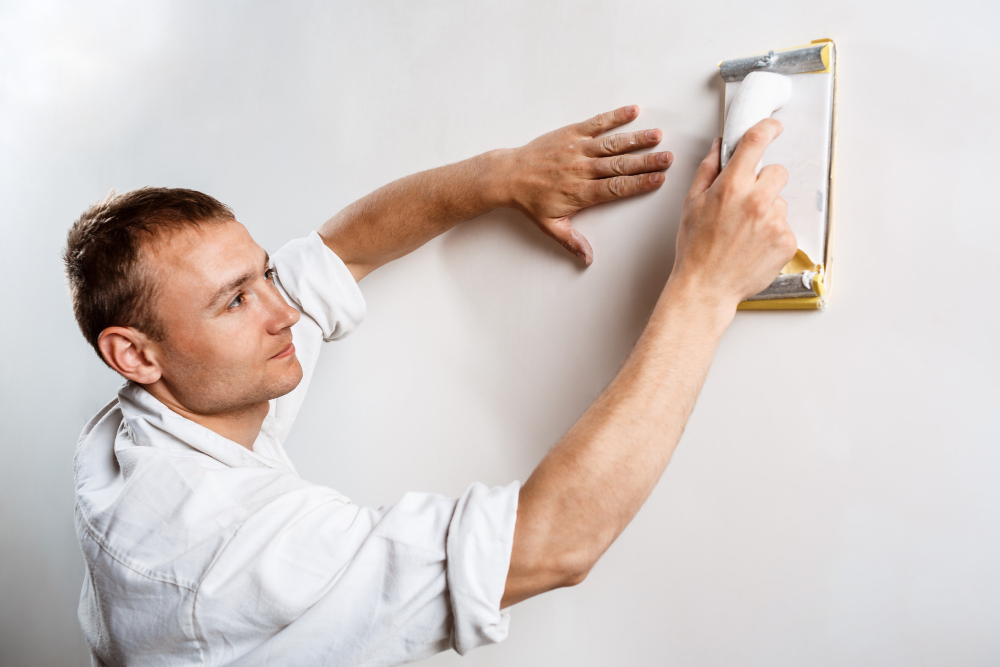
- Fine-grit sandpaper or sanding screens
- Bright work lights to spot imperfections
- Dust masks and eye protection
These tools help ensure the even application and smoothness that Level 5 demands.
When Is a Level 5 Finish Necessary?
A Level 5 finish is worth it when:
- Walls or ceilings will receive gloss, semi-gloss, or metallic paint
- Lighting (natural or artificial) highlights every surface detail
- You want a flawless, professional look
- It’s a high-end residential or commercial project
Even though it’s more labor-intensive and costs more than lower levels, the difference in surface quality can be noticeable.
Common FAQs related to Drywall Finish Levels
Here are the most searched questions about drywall finish levels—based on discussions on Reddit, Quora, and common industry queries:
Can you DIY a Level 5 drywall finish?
Many homeowners find it challenging, especially over large areas. Level 5 requires skill in applying a uniform skim coat and controlling dust and sanding. DIYers often struggle to get the ultra-smooth finish professionals deliver.
How long does a Level 5 finish take?
Time varies widely depending on wall size and skill level. Experienced crews might spend days to weeks finishing a full home.
What if I don’t get a proper Level 5 finish?
Visible seams, lines, or fastener shadows usually indicate incomplete Level 5 work and may require additional skim coating and sanding.
Is the cost difference worth it?
Yes—when precision aesthetics matter. Level 5 costs more because it requires extra time, materials, and expertise.
Conclusion
Choosing the right drywall finish level comes down to:
- Your aesthetic expectations
- Lighting conditions in the space
- Type of paint or texture you plan to use
- Budget constraints
For most typical homes, Level 4 provides a smooth, ready-to-paint surface. But if you’re after the flawless perfection of a Level 5 Sheetrock finish, especially under challenging lighting or with high-gloss paints, that premium level is unmatched.